Pittsburgh air quality alert
Pittsburgh ranks among the worst U.S. cities for particle pollution.
According to the American Lung Association’s latest State of the Air report, the Pittsburgh metro area continues to receive failing grades for fine particle pollution. Outdoor air doesn’t stay outside—those same pollutants can accumulate where you live, work, and sleep.
Get a no-obligation Indoor Air Quality (IAQ) checkup from a local Pittsburgh specialist. We’ll help you understand what you’re breathing inside—and what you can do about it.
Average visit: 30–45 minutes · No sales pressure · Local Pittsburgh experts
- Serving homeowners and small businesses across Allegheny, Beaver, Butler, Washington, and Westmoreland counties
- Independent IAQ testing with clear, easy-to-read results
- Action plans tailored to older Pittsburgh housing stock and building systems
Pittsburgh by the numbers
A metro area still struggling with particle pollution
The American Lung Association continues to rank the Pittsburgh–New Castle–Weirton region among the worst places in the nation for year-round particle pollution—tiny particles that can penetrate deep into the lungs and bloodstream.
Failing grades for fine particles
The region continues to receive failing or near-failing grades for both short-term and year-round particle pollution in the latest State of the Air 2025 report.
Why it matters indoors: Particle pollution infiltrates buildings through windows, doors, and mechanical systems—and can build up in poorly ventilated spaces.
High-risk groups across the region
Children, older adults, and people living with asthma, COPD, cardiovascular disease, or diabetes are especially vulnerable to chronic particle exposure.
Why it matters indoors: Many of these residents spend 90% of their time inside—where air can be 2–5x more polluted than outdoors without proper filtration and ventilation.
Legacy industry, new pollution patterns
Steel, coke, and diesel corridors still shape the region’s air. Weather inversions and valley topography can trap pollution over neighborhoods for days at a time.
Why it matters indoors: Homes near highways, industrial sites, or river valleys often see higher indoor particle levels—especially in older housing stock with leaky envelopes.
Source: American Lung Association, State of the Air 2025 report for the Pittsburgh–New Castle–Weirton metro area.
Outdoor pollution is only half the story.
Most Pittsburgh residents spend the vast majority of their time indoors—where a mix of outdoor pollutants and indoor sources (cooking, gas appliances, cleaning products, building materials, and mold) can add up to a serious health burden.
- Fine particles (PM2.5) linked to heart attacks, strokes, and lung disease
- Nitrogen dioxide and ozone that exacerbate asthma and COPD
- Moisture and mold issues common in older basements and row homes
- Combustion byproducts from gas stoves, fireplaces, and furnaces
You can’t fix what you don’t measure. A targeted IAQ evaluation gives you real data on the pollutants inside your space so you can prioritize the improvements that actually protect your family, tenants, or staff.
What to expect
A clear, three-step IAQ roadmap for Pittsburgh spaces
From Squirrel Hill to the South Hills, we tailor every IAQ visit to your building, your systems, and your health priorities.
Step 1
On-site walkthrough & IAQ snapshot
We start with a conversation about your space and health concerns, then capture readings like particles, humidity, CO/CO₂, and visible moisture or mold risks.
Step 2
Easy-to-read IAQ report
Within a few days, you’ll receive a clear summary of findings with color-coded risk levels and how your numbers compare to recommended guidelines.
Step 3
Pittsburgh-specific action plan
We recommend a prioritized mix of ventilation upgrades, filtration, sealing, dehumidification, and behavior changes—designed for our climate, housing stock, and pollution patterns.
Serving homes, apartments, and small commercial spaces across the greater Pittsburgh region.
Practical solutions to improve your indoor air today
Featured IAQ Solutions
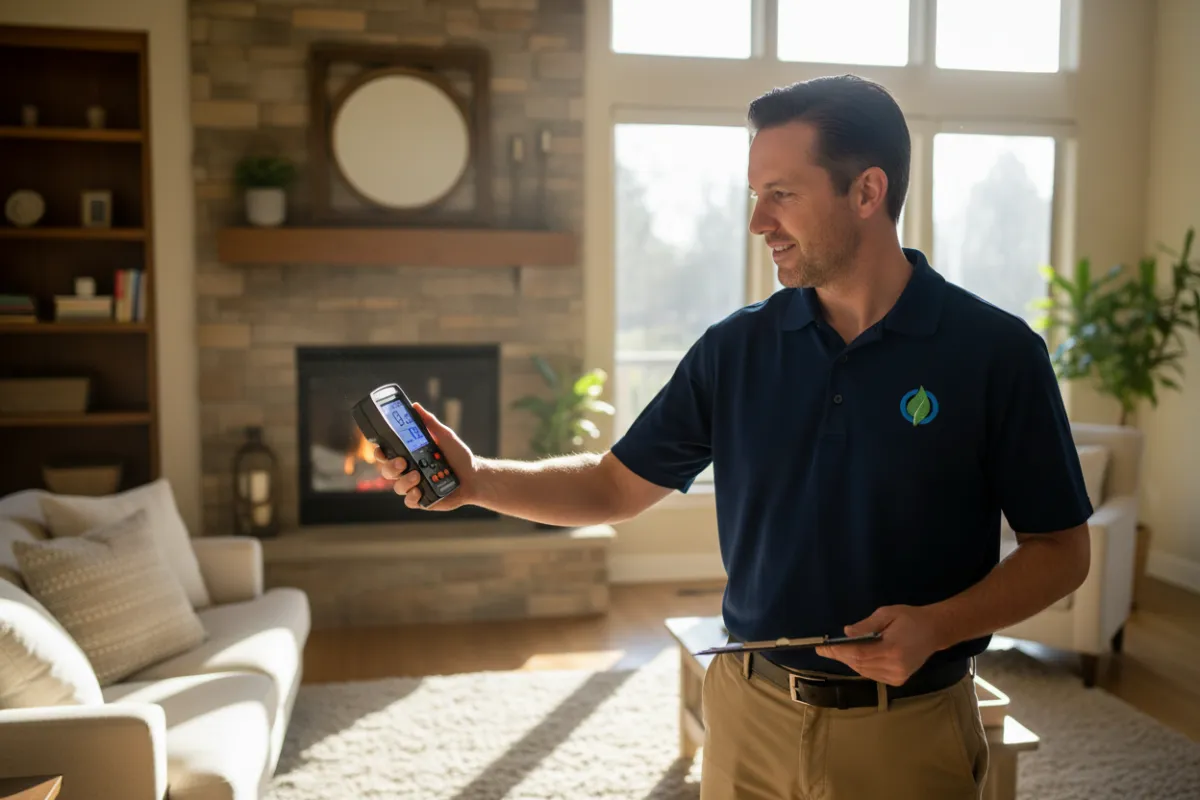
IAQ Assessment
Uncover hidden air issues with a comprehensive home assessment.
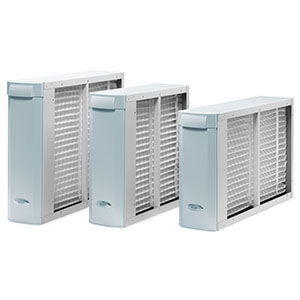
HEPA Purifier Installation
Professional-grade HEPA units for cleaner, safer air at home.
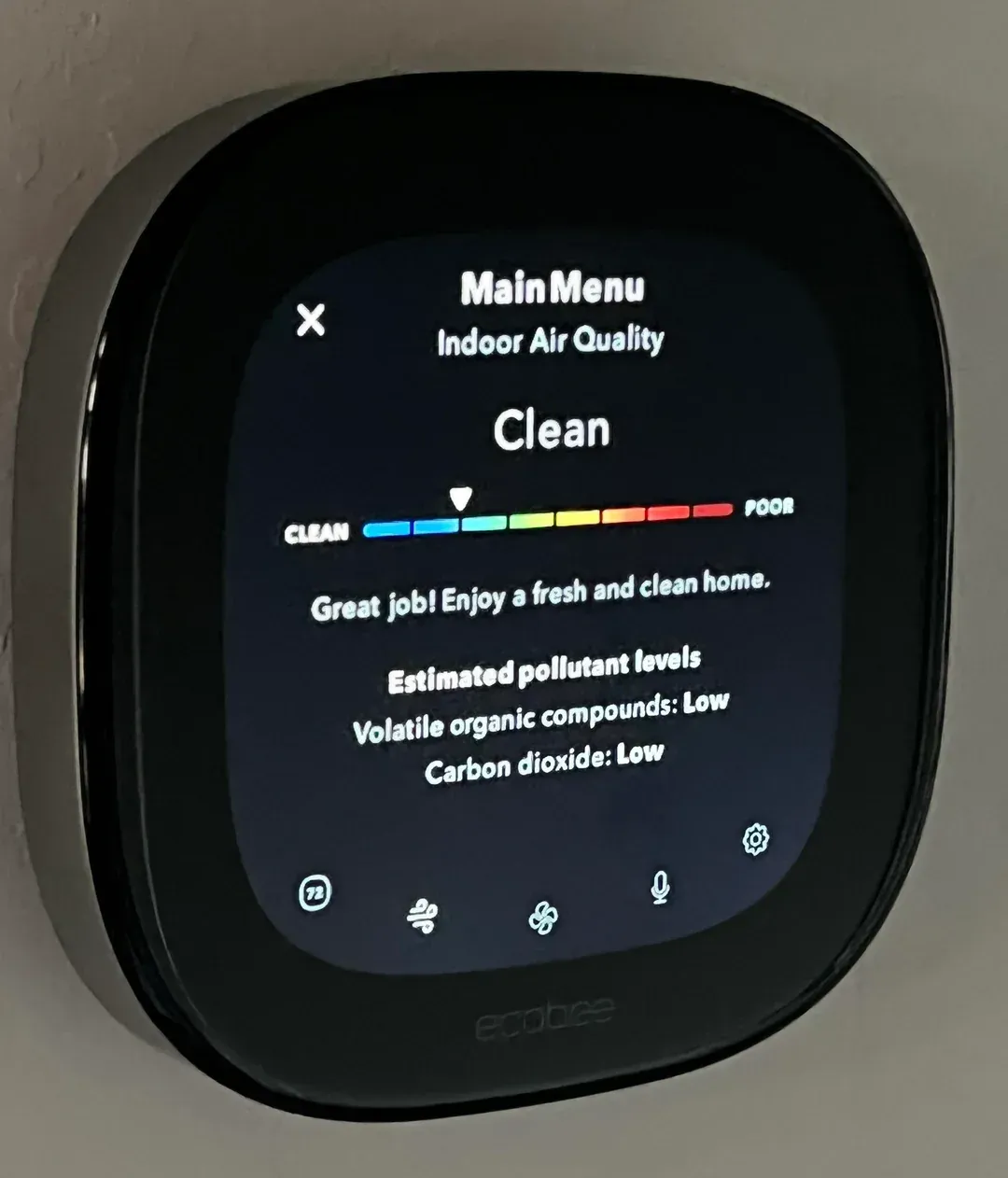
Ventilation Improvements
Boost airflow and reduce allergens with proven ductwork solutions.
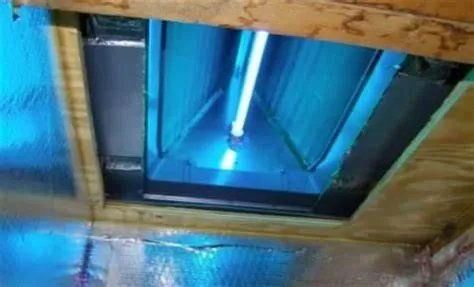
On-Demand Remediation
Fast, targeted response for mold, allergens, or unusual odors.
Not sure which solution is right for you? Schedule a free consultation to explore your options with a local IAQ expert.
Trusted by Pittsburgh families who worry about the air they breathe.
From asthma flare-ups to mysterious headaches, better indoor air has helped our clients feel the difference in their everyday lives.
“We live in an old brick house near the river and always assumed the haze outside didn’t really affect us indoors. The IAQ report showed our fine particle levels spiked on bad outdoor days and stayed high overnight. After upgrading filtration and adding a simple ventilation control, my son’s asthma symptoms have noticeably improved.”
Sarah M., Lawrenceville · Parent of a child with asthma
96% of clients say they’d recommend a professional IAQ evaluation to a neighbor after seeing their own results.
Take the next step
Get a Pittsburgh-focused IAQ evaluation & action plan.
Fill out the form and we’ll match you with a local IAQ specialist who understands Pittsburgh’s pollution patterns, building stock, and weather quirks.
- No-cost consultation and IAQ walkthrough
- Clear, written findings you can share with doctors, landlords, or contractors
- Options for follow-up testing and long-term monitoring
Questions, answered
Pittsburgh IAQ FAQ
Still unsure if you need an IAQ evaluation? Start here.
Is this IAQ evaluation really no obligation?
Yes. The purpose of the IAQ evaluation is education. We’ll walk your space, take readings, and share clear recommendations. If we offer additional services or upgrades, you’re free to choose other providers or take a DIY route—we’re glad you got the data either way.
What kinds of properties do you serve in the Pittsburgh area?
We focus on single-family homes, duplexes, small multi-unit buildings, and small commercial spaces such as offices, clinics, salons, and classrooms. If you’re not sure whether your property qualifies, just describe it in the form and we’ll confirm before scheduling.
Will I get actual measurements or just a sales pitch?
You’ll receive real measurements and observations, including particle counts, humidity levels, ventilation issues, and visible moisture or mold risks. We’ll explain what those numbers mean in plain language, and you’ll keep a written summary of the visit.
How is Pittsburgh’s outdoor air quality connected to my IAQ?
Outdoor particles and gases make their way indoors through open windows, doors, cracks, and mechanical systems—even in newer buildings. In areas with higher regional pollution, indoor levels can stay elevated for longer, especially if ventilation and filtration aren’t designed to handle that load.
How soon can I book an IAQ visit?
Most Pittsburgh-area appointments can be scheduled within 5–7 business days. Use the form to share your availability preferences, and we’ll follow up with options as quickly as possible—often within 24 hours on business days.
Breathe easier in Pittsburgh—starting with one IAQ visit.
The region’s outdoor air may be out of your control—but the air inside your home or business isn’t. Start with a data-backed IAQ evaluation tailored to Pittsburgh’s unique air quality challenges.
Average time to first visit: 1-2 business days in most Pittsburgh neighborhoods.